
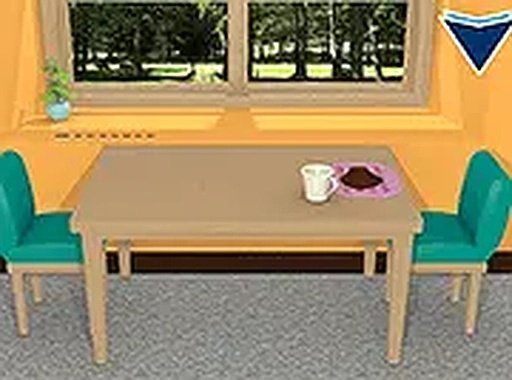
Puzzle Room: Hidden Logic Challenge
About
Puzzle Room: Hidden Logic Challenge offers a refreshingly unhurried escape room experience. The hand-drawn visuals create a warm atmosphere that complements the thoughtful puzzle design. Each clue feels intentionally placed, and the simple point-and-click controls keep the focus on problem-solving. The absence of a timer allows players to think through each step without stress. It is an ideal choice for a short, satisfying mental break that respects your time and intelligence.
Room Exploration & Clue Gathering
Players start inside a single, richly detailed room. The goal is to examine every visible object, from furniture to decorations, to uncover hidden clues. Some items can be picked up, while others reveal numbers, shapes, or patterns when clicked. The environment is designed to encourage thorough inspection without feeling overwhelming. Each discovery feels like a small victory, pushing the player forward.
Puzzle Integration & Design
Challenges are woven into the room's decor rather than presented as separate screens. A painting might hide a sequence, or a bookshelf could contain a coded message. This approach makes each puzzle feel like a natural part of the space. Players must connect visual cues, such as color schemes or repeating motifs, to progress. The logic required is straightforward but never trivial, offering a satisfying mental workout.
Controls & Accessibility
The interface relies on simple point-and-click mechanics. Clicking on an object may pick it up, reveal a clue, or trigger an animation. Items collected can be used on other objects in the room. There are no complex menus or instructions to learn. This simplicity makes the game accessible to players of all ages, including those new to puzzle games. The lack of a time limit further reduces pressure, allowing for thoughtful exploration.
Visual Style & Atmosphere
Hand-drawn graphics give the room a warm, inviting look. Soft colors and detailed illustrations create a calm setting that encourages focus. The art style supports the puzzle design by making clues visually distinct without being obvious. Background sounds, if present, are subtle and non-distracting. The overall presentation aims to create a relaxing yet engaging experience where players feel immersed in the search for solutions.
Progression & Feedback
Solving one puzzle often opens up new areas or reveals additional clues. This creates a natural sense of progression without a linear path. Players may need to revisit earlier parts of the room after finding new items. Feedback is immediate: a successful action might open a drawer, change a picture, or unlock a door. This clear cause-and-effect helps players understand their progress and keeps motivation high.





Comments
Sign in to comment
You must be logged in before posting a review or rating.
No account? Create one
No comments yet. Be the first to comment!