
Wandering Home: A Puzzle Journey
About
Wandering Home succeeds in blending light puzzle-solving with a heartfelt narrative. The hand-drawn visuals are consistently delightful, and the puzzles never feel frustrating. Exploration is rewarded with small story details that enrich the world. The lack of time pressure and simple controls make it accessible to all ages. While the experience is brief, it is a polished and enjoyable journey that respects the player's time.
Story and Setting
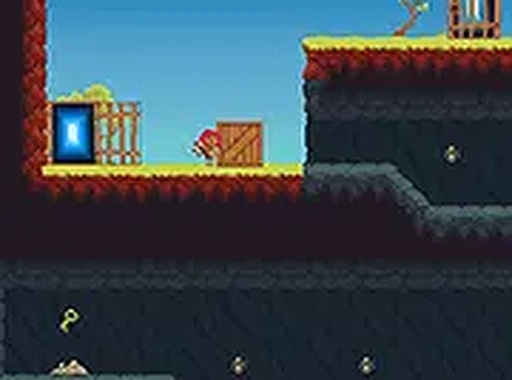
Wandering Home: A Puzzle Journey places players in the role of a young protagonist navigating a series of vibrant, hand-illustrated environments. The narrative unfolds naturally as you progress through each area, with the overarching goal of reaching a familiar place. The art style is warm and inviting, using soft colors and detailed backgrounds to create a sense of wonder. Each location feels distinct, from cozy villages to lush forests, encouraging players to take in the scenery while moving forward.
Puzzle Design Philosophy
The puzzles in this game are designed to complement the story rather than dominate it. They are light and intuitive, often requiring observation and logical thinking rather than complex mechanics. For example, you might need to find a hidden object to unlock a path or arrange items in a specific order to proceed. This approach keeps the focus on the narrative and exploration, making the experience accessible to players who prefer a relaxed pace. The difficulty curve is gentle, with early challenges teaching basic interactions before introducing slightly more involved tasks.
Exploration and Interaction
Exploration is at the heart of the gameplay. Each scene contains multiple interactive elements, such as doors, containers, or characters, that provide clues or advance the story. Players are encouraged to examine their surroundings carefully, as even small details can hold significance. The game rewards thoroughness by revealing optional story snippets or shortcuts when you interact with less obvious objects. This design choice fosters a sense of discovery without punishing those who prefer a more linear approach.
Controls and Accessibility
Controls are straightforward and optimized for desktop use. Movement is handled via the keyboard (arrow keys or WASD), while mouse clicks handle interactions with objects and characters. The interface is clean, with minimal on-screen clutter, allowing players to focus on the game world. A full-screen mode is available from the settings menu, enhancing immersion. No prior gaming experience is necessary, and the game runs smoothly in any modern browser without requiring registration or downloads.
Visual and Audio Atmosphere
The hand-drawn art style is a standout feature, with each frame resembling a piece of storybook illustration. The color palette shifts subtly between areas, reflecting changes in mood or time of day. Background music is gentle and melodic, complementing the visual tone without becoming distracting. Sound effects are used sparingly, primarily for interactions like opening a door or picking up an item, which helps maintain a calm atmosphere. Together, these elements create a cohesive experience that feels both personal and inviting.
Replayability and Value
As a free browser game, Wandering Home offers a complete story experience without any cost or commitment. While the main narrative can be completed in a single session, the game encourages revisiting areas to find missed interactions or alternative paths. Some puzzles have multiple solutions, adding a layer of depth for those who enjoy experimenting. The lack of timers or failure states means players can approach the game at their own pace, making it suitable for short breaks or longer play sessions.







Comments
Sign in to comment
You must be logged in before posting a review or rating.
No account? Create one
No comments yet. Be the first to comment!